
Keeping the Straits of Hormuz Open
Segment #814
Yes, AI is currently the "brain" behind the most advanced mine-hunting operations in the Strait of Hormuz. In 2026, the process of locating both the minelayers (the vessels) and the mines (the hidden threats) has shifted from manual scanning to automated, AI-driven detection.
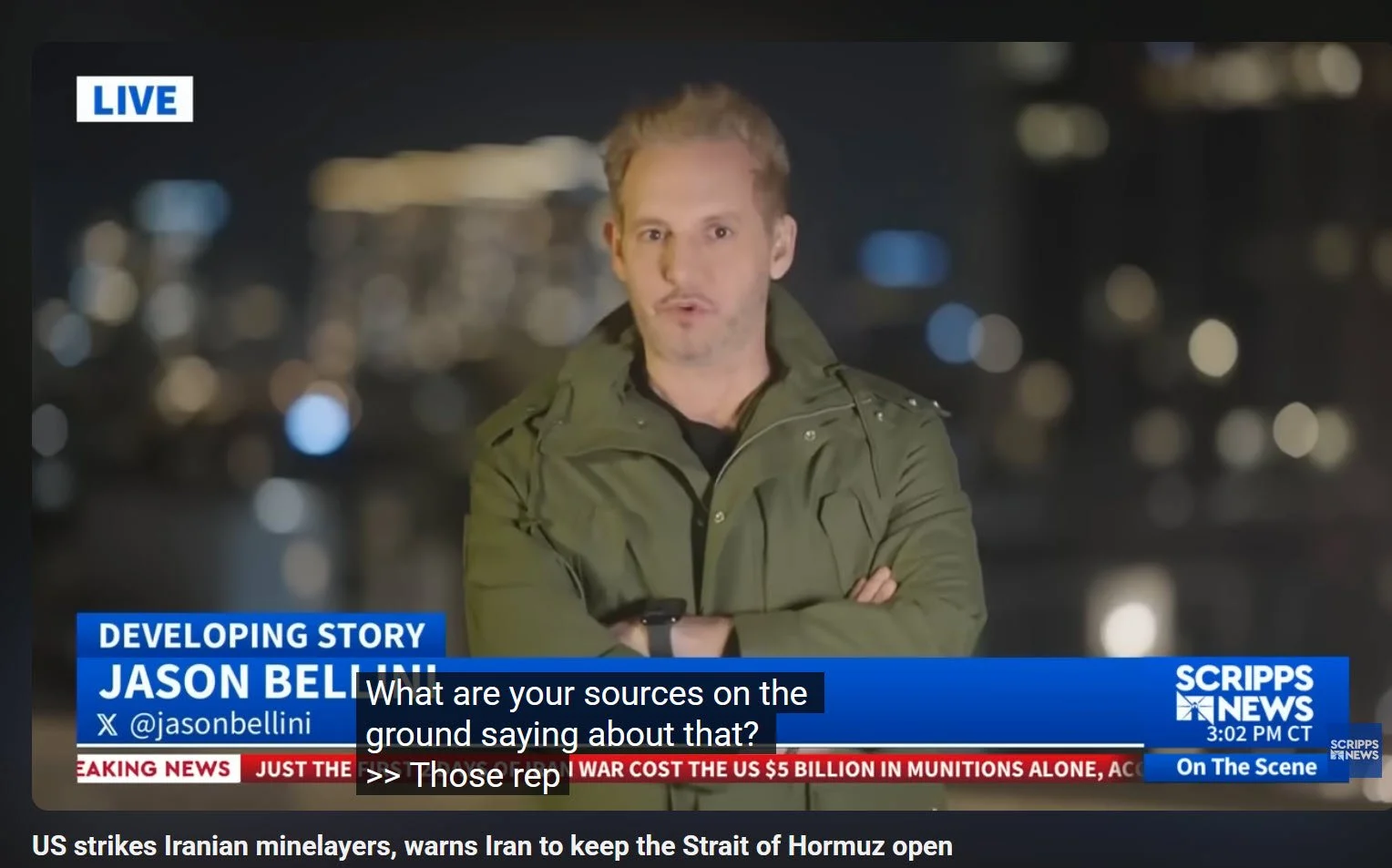
Here is how AI is being used to find them:
Locating the Minelayers (Surface Detection)
AI helps identify minelayers by sifting through "noise" to find specific patterns of behavior.
Behavioral Anomaly Detection: Systems like Project Maven and Claude AI analyze satellite imagery and drone feeds to flag vessels acting strangely—such as small boats moving in zig-zag patterns or stopping frequently in deep-water shipping lanes.
Automated Target Recognition (ATR): AI algorithms can instantly distinguish a harmless fishing dhow from an Iranian "fast attack craft" or a specialized minelaying vessel by analyzing their heat signatures and physical profiles, even if they are camouflaged.
Predictive Modeling: By processing historical data, AI predicts likely "chokepoints" where a minelayer is most likely to operate based on water depth, current speeds, and traffic density.

Locating the Mines (Underwater Detection)
Finding a mine on the seafloor is like finding a needle in a haystack of rocks and debris. AI makes this possible through:
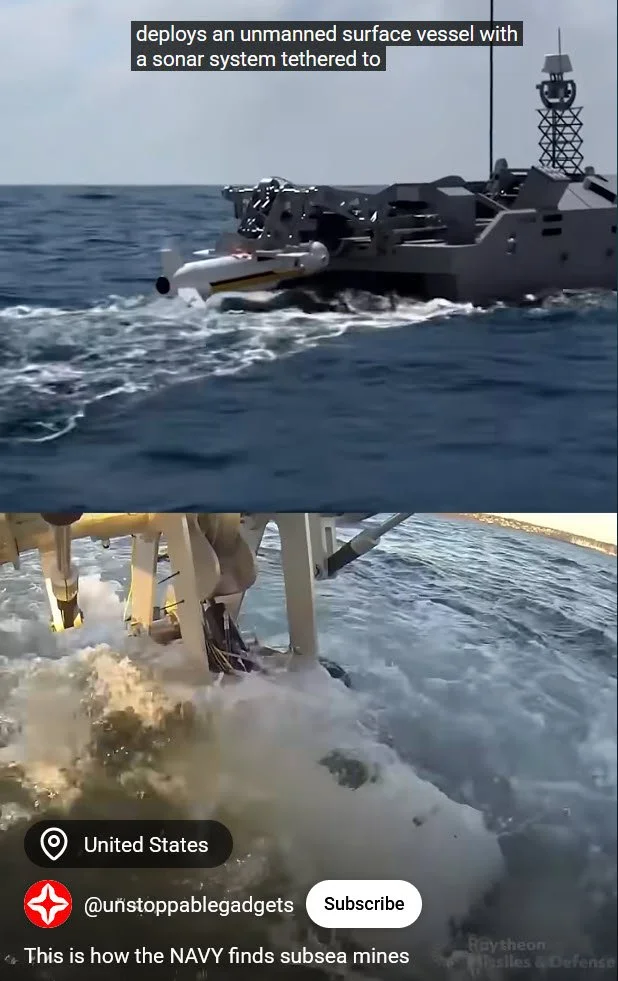
Synthetic Aperture Sonar (SAS): Companies like Kraken Robotics use AI to process sonar data at ultra-high resolution (3cm x 3cm). The AI can "see" through murky water and differentiate a man-made mine from a natural rock or a sunken tire.
AUV Swarms: Autonomous Underwater Vehicles (like the REMUS or India’s MP-AUV) operate in swarms. They use deep learning to classify "Mine-Like Objects" (MLOs) in real-time. Instead of a human spending hours reviewing sonar footage, the AI flags the target and sends the coordinates to a command center.
Change Detection: AI compares "baseline" scans of the seafloor from last week to a new scan today. If a new object appears, the AI highlights it immediately as a potential mine.
The 2026 "Kill Chain"
In the current 2026 operations (such as Operation Epic Fury), the timeline from detection to destruction has been slashed:
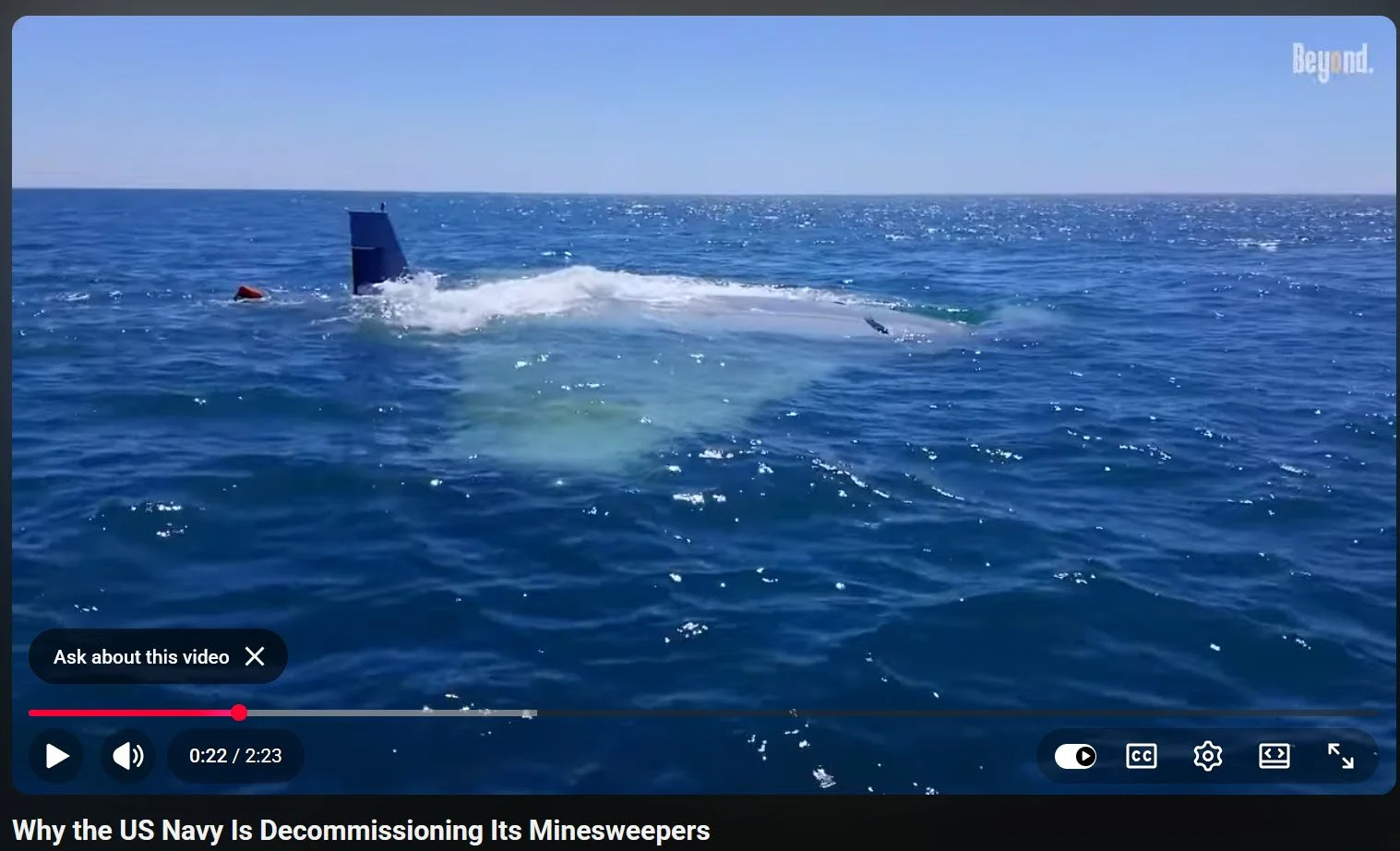
Search - Constant monitoring of vast areas.Global satellite AI (Project Maven)
Detection - Identifying a "blip" as a mine.Kraken SAS / Thales Mi-Map
Classification - Distinguishing a contact mine from a "smart" mine.Deep learning algorithms
Action - Recommending the best weapon to neutralize it.Palantir / AMORE systems
Challenges: "Smart" Mines
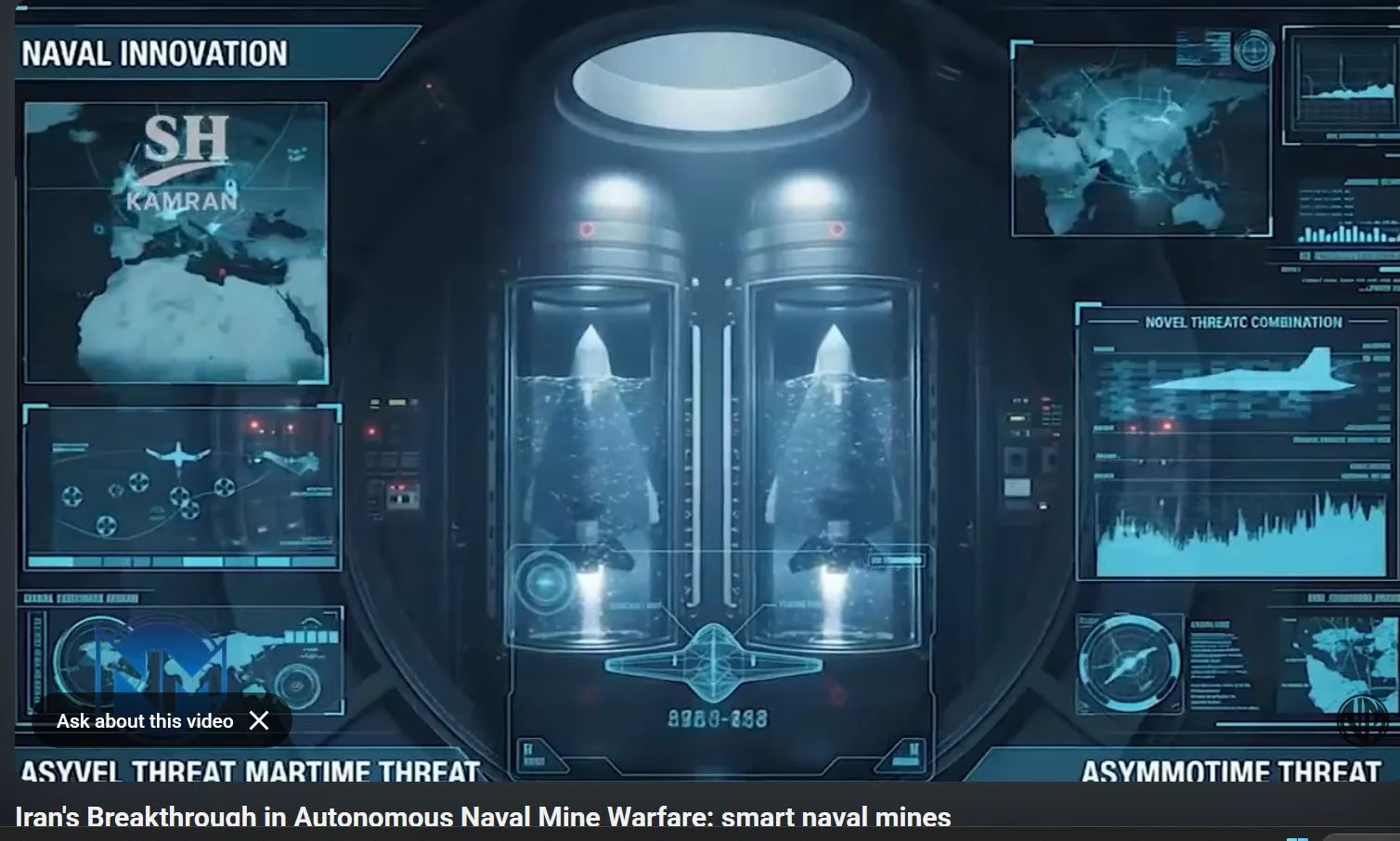
While AI helps find mines, Iran has also moved toward AI-enabled mines. These "smart" mines can "listen" for specific acoustic signatures—meaning they might ignore a small patrol boat but detonate only when a massive oil tanker passes overhead. This creates a "cat and mouse" game where US and Allied AI must constantly relearn and adapt to new mine signatures.