Cuba - How Will It End
Segment #832
The situation in Cuba has shifted from a chronic economic decline to an acute systemic emergency. The following analysis breaks down the immediate volatility and the high-stakes geopolitical maneuvering currently underway.
Short-Term Analysis: The 90-Day "Survival" Window
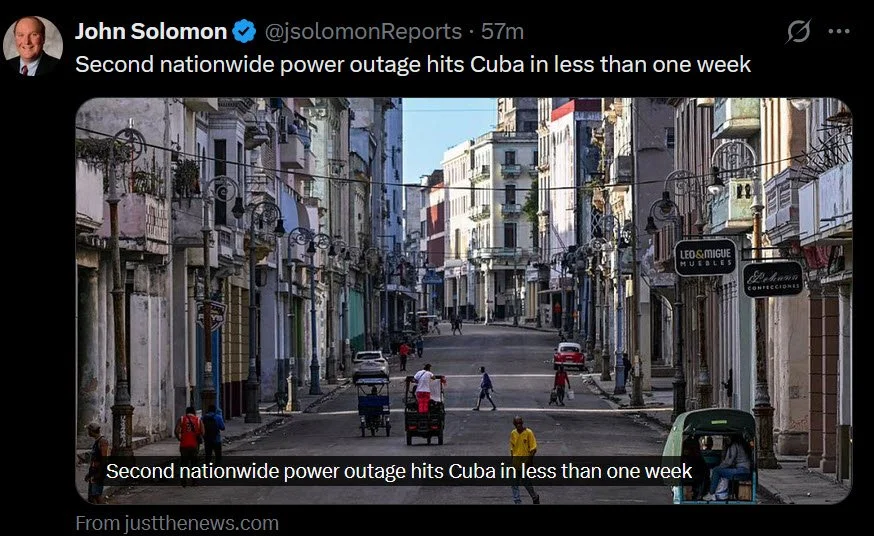
Cuba had its second nationwide power outage in less than a week on Saturday, officials said.
The Ministry of Energy and Mines announced on X that another “total disconnection of the National Electric System” had occurred, adding that restoration protocols were already being put in place.
According to the National Electric Union, the outage was triggered by the shutdown of Unit 6 at a power plant in Nuevitas, which set off a cascading failure across the rest of the country.
Earlier in the week, officials reported an island-wide blackout that impacted roughly 11 million people. Humanitarian groups began delivering aid by air on Friday, including solar panels, food, and medicine. Saturday’s outage marked the fourth major blackout in Cuba over the past four months.
As the country’s energy and economic crises deepen, Cuban officials have blamed the situation on a U.S. energy blockade, following warnings from President Donald Trump in January about tariffs on countries supplying oil to Cuba.
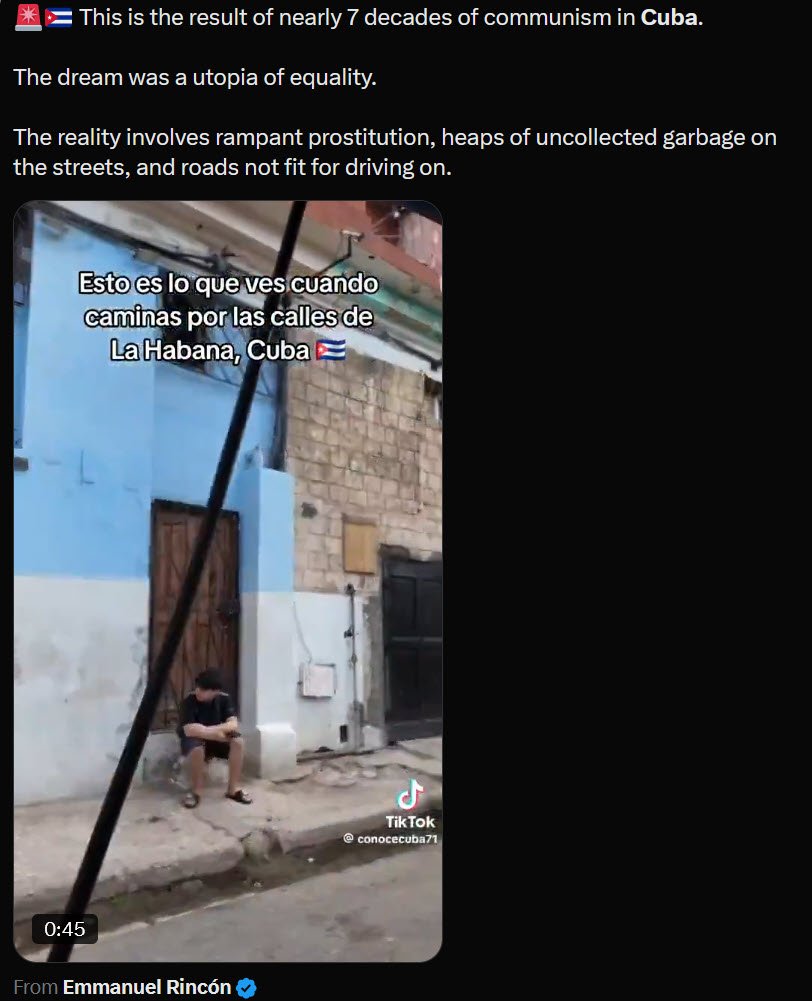
Protests have been reported across the island in recent days as frustration grows over prolonged power outages and deteriorating living conditions.
The next three months represent the most dangerous period for the Cuban government since 1959. The primary driver is a total energy blockade that has effectively paralyzed the island.
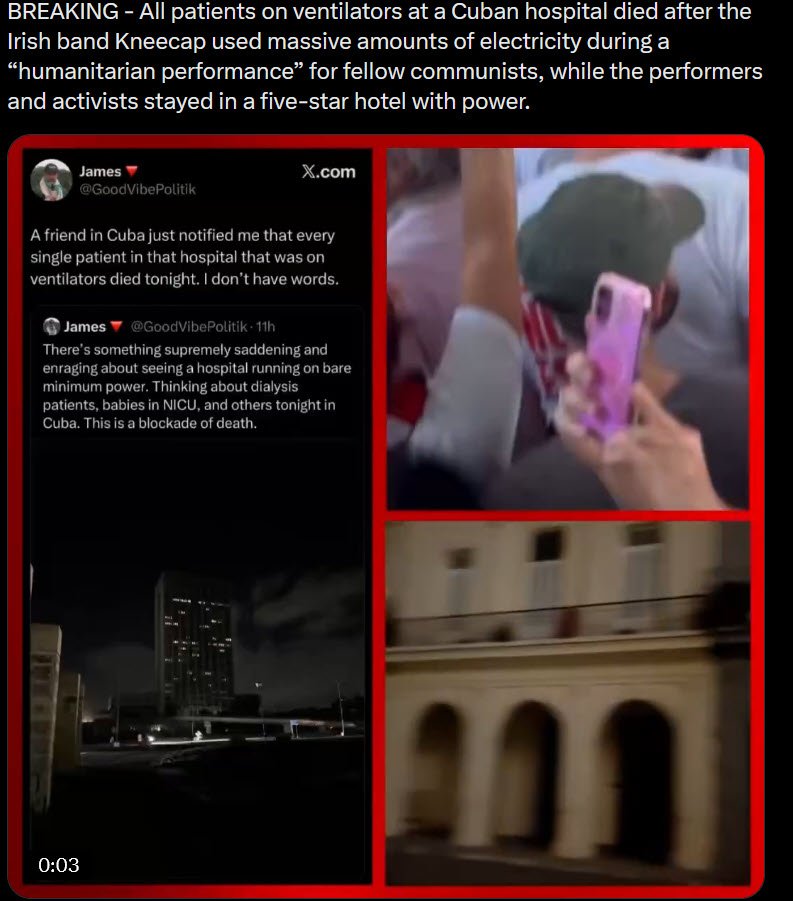
The Grid at "Zero State": Following the total collapse on March 16, 2026, the national grid is in a state of "fragmented survival." Major plants like Antonio Guiteras are failing due to a lack of specialized spare parts and low-quality crude. Expect rolling blackouts to persist for 18–20 hours a day outside of Havana.
The Humanitarian Tipping Point: * Water: 80% of the island’s water distribution depends on electric pumps. Chronic outages are leading to a secondary crisis of waterborne illnesses and dehydration.
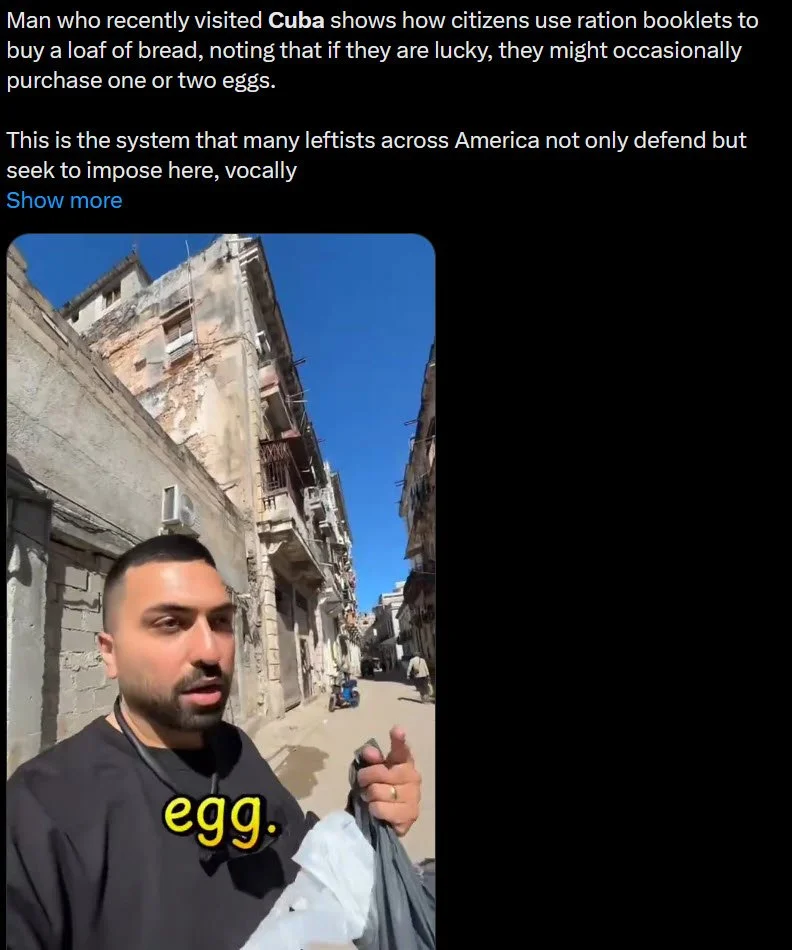
Food: Without refrigeration, the meager food rations provided by the state are spoiling before they reach families. This has historically been the "red line" for popular uprisings.
The "Morón" Effect: The March 14 burning of a Communist Party office in Morón signals a shift in protest tactics from peaceful "casserolazos" (pot-banging) to targeted property destruction. The government’s 90-day strategy will likely involve selective repression—arresting key local instigators while avoiding a massive, televised "Tiananmen-style" crackdown that would trigger immediate U.S. intervention.
Potential U.S. Involvement: "The Venezuelan Playbook"
U.S. policy has pivoted from passive containment to "Maximum Strangulation." The Trump administration is treating Cuba as the final piece of a regional realignment following the ousting of Nicolás Maduro in January.
1. The Economic Blockade (Active)
The U.S. has effectively cut off Cuba’s fuel. By threatening secondary tariffs on any nation supplying oil to the island (targeting Mexico's Pemex specifically), the U.S. has reduced Cuban fuel imports to roughly 40% of their requirement. This is a deliberate attempt to force a "negotiated surrender" by making the island ungovernable.
2. Diplomatic "Friendly Takeover"
President Trump and Secretary of State Marco Rubio are currently engaged in what they call a "friendly takeover" negotiation.
Current Terms: Havana has already released 51 political prisoners (March 2026) as a gesture of goodwill.
U.S. Demands: The U.S. is reportedly pushing for the legalization of small businesses, the release of all 1,200+ remaining political prisoners, and a "pathway to multi-party elections" in exchange for lifting the oil blockade.
3. Military Contingencies (The "Surgical" Option)
While a full-scale invasion is unlikely due to the risk of a protracted "War of the Whole People," the Pentagon is reportedly reviewing:
Maritime Interdiction: Using the Coast Guard and Navy to board and turn back any non-U.S. sanctioned oil tankers.
Humanitarian Corridors: Establishing "safe zones" on the coast to distribute food and medicine, which would effectively function as a technical military entry without a formal invasion.
Targeted Indictments: Rumors suggest the DOJ is preparing indictments against top Cuban leadership (similar to the Maduro case), which would provide a legal pretext for a "capture operation."
Long-Term Analysis: 1–5 Year Trajectory
Even if the current regime survives the summer, the long-term structural outlook is bleak.
The "Vietnam Model" Pivot: The most likely survival path for the PCC is a rapid transition to a market-driven economy while maintaining one-party political control. This would require the Revolutionary Armed Forces (FAR) to transition from a defense force to a corporate management class (further empowering the GAESA conglomerate).
Demographic Collapse: The island is "bleeding" its future. With over 2 million people having left since 2021, the remaining population is aging rapidly. Without a massive influx of capital—likely from the Cuban diaspora in Miami—the economy has no internal engine for growth.
Strategic Realignment: If the U.S. "deal" fails, Cuba will likely become a permanent "gray zone" client state for Russia or China, potentially hosting more advanced intelligence or electronic warfare facilities in exchange for basic survival commodities.
FactorStatus90-Day OutlookFuel
ReservesCriticalExhaustion by May without new tankers.
Public OrderVolatileHigh risk of spontaneous urban riots.
U.S. StanceAggressive"Pressure for Concessions" strategy.
Military LoyaltyStableThe FAR remains cohesive but eyes a "deal."
Top Leaders of Cuba
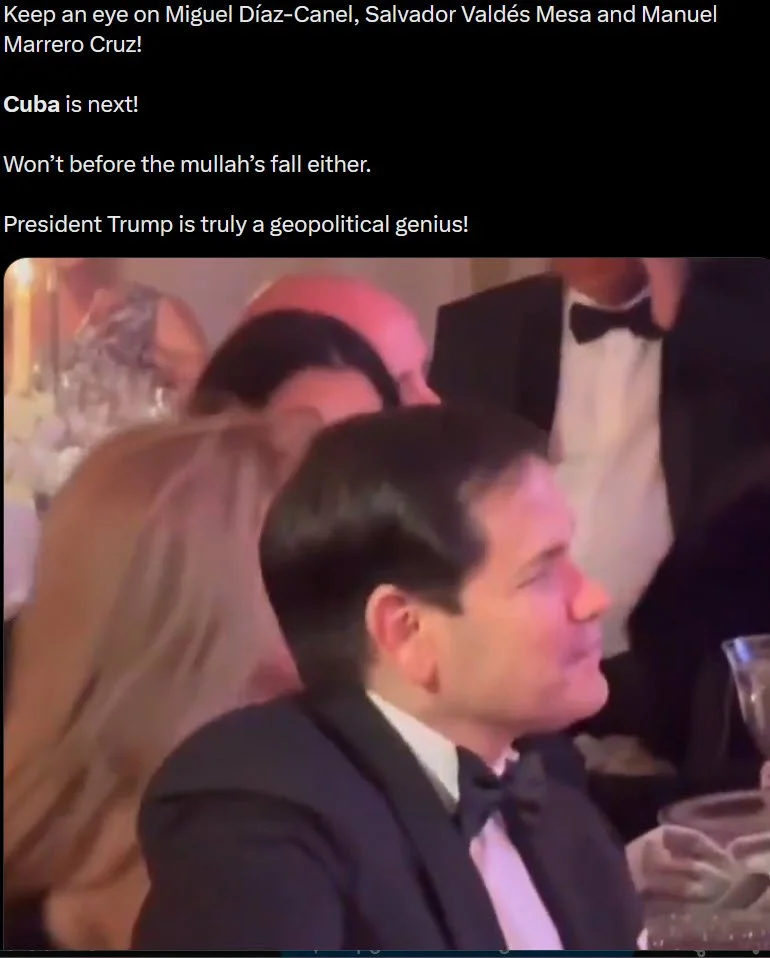
These three individuals represent the current top tier of leadership in the Cuban government, marking the first time since the 1959 Revolution that the country is not officially led by a member of the Castro family.
Miguel Díaz-Canel
Role: President of Cuba and First Secretary of the Communist Party.
Background: An electronics engineer by trade, he rose through the party ranks to succeed Raúl Castro as President in 2018 and as Party Leader in 2021.
Significance: He is the first person born after the Revolution to lead the country. While he remains a party loyalist, his administration has overseen the 2019 Constitutional reforms and the 2022 Family Code, which legalized same-sex marriage.
Salvador Valdés Mesa
Role: Vice President of Cuba.
Background: A long-time trade union leader and veteran politician, he was elected Vice President in 2018.
Significance: Valdés Mesa is a key figure in the "old guard" of the Communist Party, having served as the leader of the Workers' Central Union of Cuba and as Minister of Labor in the 1990s.
Manuel Marrero Cruz
Role: Prime Minister of Cuba.
Background: An architect and former colonel in the Cuban military, he served as the Minister of Tourism for 15 years (2004–2019) before being appointed Prime Minister.
Significance: His appointment in 2019 marked the restoration of the Prime Minister's office, which had been abolished 43 years earlier. He is largely responsible for the administrative and economic management of the island, drawing on his extensive experience in the military-run tourism sector (Gaviota).